

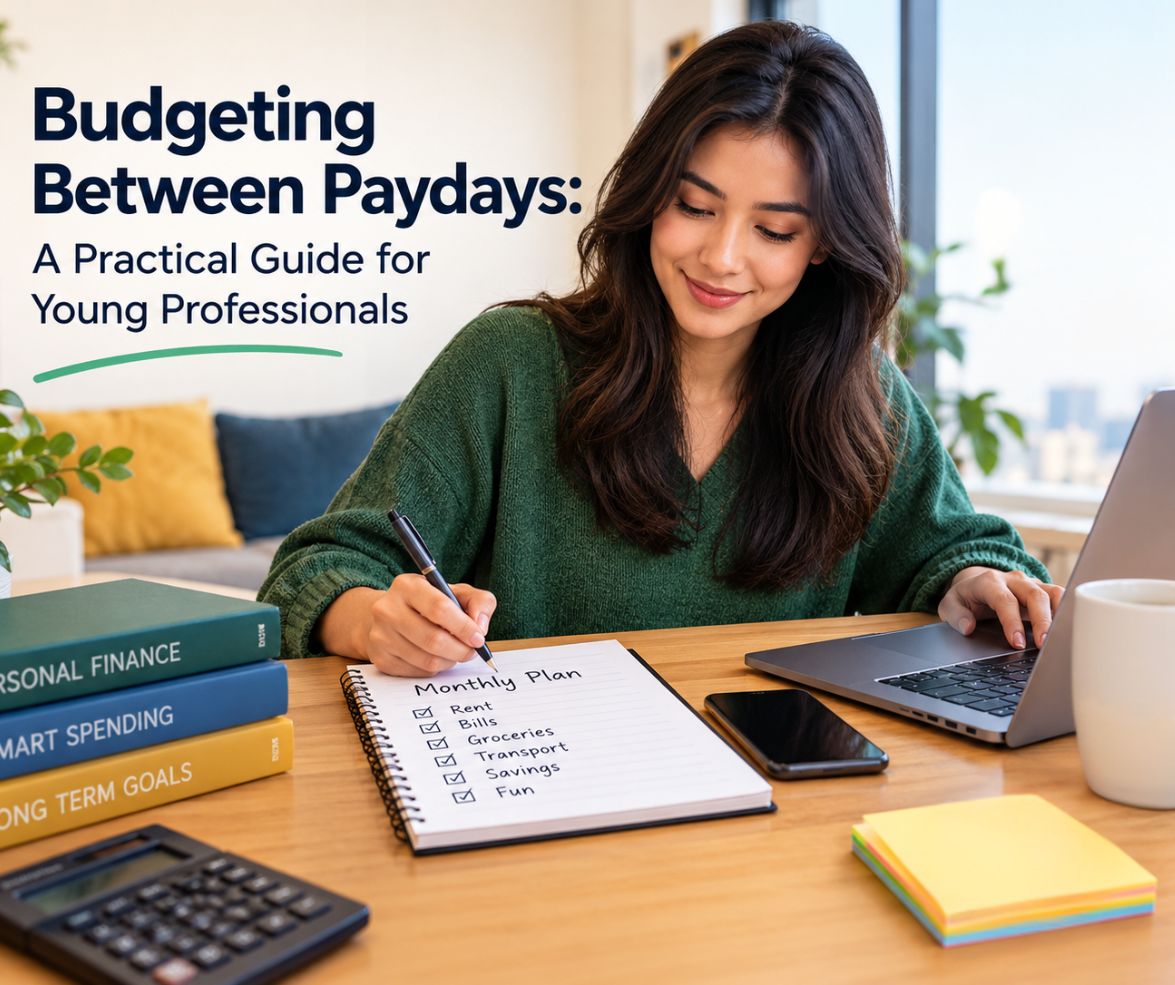
Landing your first full-time career role is an exciting milestone, bringing a newfound sense of independence and the reward of a steady monthly paycheck. However, many ambitious graduates and early-career workers quickly discover that a high-energy urban lifestyle, rising rent costs, and irregular billing cycles can make the final week of the month feel uncomfortably tight. When an unexpected medical co-pay, a last-minute work trip, or an unusually high utility bill lands right before payday, even the most organized newcomer can experience a temporary liquidity crunch. While some individuals might consider a short-term cash loan to handle an urgent timing mismatch, mastering the art of inter-paycheck cash flow management is the ultimate key to achieving lasting financial confidence.
Developing smart money habits early in your career does not mean giving up everything you enjoy. Instead, it is about aligning your spending rhythm with your income schedule and knowing how responsible financial tools such as emergency loans fit into a broader safety net when sudden life events occur, ensuring every dollar has a clear purpose from the first day of the month to the last.
Why the Mid-Month Cash Crunch Happens
For many young professionals, the problem is rarely a lack of total income, but rather poor timing between when money arrives and when expenses leave the account. Right after payday, checking accounts look healthy, creating a false sense of abundance that encourages generous weekend spending, social dinners, and impulse shopping.
When fixed obligations like rent, student contributions, commuter passes, and insurance are deducted in uneven chunks throughout the month, the remaining balance shrinks faster than anticipated. By the third week, what seemed like a comfortable surplus has evaporated, leaving very little margin for error.
Core Strategies to Stretch Your Paycheck Further
Transforming how you manage the weeks between paydays requires a structured yet flexible framework. Implementing a few foundational techniques can immediately smooth out your monthly cash flow:
- Adopt the two-account system: Keep one checking account strictly for fixed bills and automated savings, and transfer a set weekly allowance into a second account for daily groceries, coffee, and leisure.
- Align bill due dates with your payday: Contact your utility providers, internet company, and landlords to cluster your billing dates within three days of receiving your salary, ensuring essentials are paid before discretionary spending begins.
- Break monthly budgets into weekly caps: Looking at a monthly grocery or entertainment budget is abstract; dividing that number by four gives you a concrete target that is easy to monitor every Sunday evening.
- Automate micro-savings on day one: Treat your emergency fund like a non-negotiable bill by moving a modest percentage into a separate reserve the morning your salary clears.
Smart Habits to Trim Hidden Lifestyle Creep
As young professionals advance in their careers, subtle daily upgrades can quietly drain hundreds of dollars each month without adding real value to their lives. Consider auditing these common areas to reclaim extra breathing room:
- Rotate digital subscriptions: Instead of paying for four streaming platforms, cloud tools, and fitness apps simultaneously, keep one or two active at a time and pause the rest.
- Master batch meal prepping: Ordering lunch at the office five days a week adds up rapidly; bringing home-cooked meals just three days a week can cut food costs by nearly half.
- Implement the 48-hour rule for non-essentials: Whenever you are tempted by an online sale or gadget, wait two full days before checking out to separate genuine needs from fleeting impulses.
- Socialize creatively: Suggest potluck dinners, park workouts, or coffee walks with colleagues instead of defaulting to expensive evening venues.
Creating a Sustainable Financial Rhythm
Building financial resilience in your twenties and thirties is a marathon, not a sprint. No budget is perfect on the first try, and occasional unexpected expenses are simply a part of adult life. The goal is to build awareness around your personal spending triggers and maintain a realistic buffer for surprises.
By separating your fixed obligations from your weekly lifestyle funds and reviewing your progress for ten minutes each week, you can eliminate end-of-month anxiety and focus your energy on growing your career and enjoying your life.

